

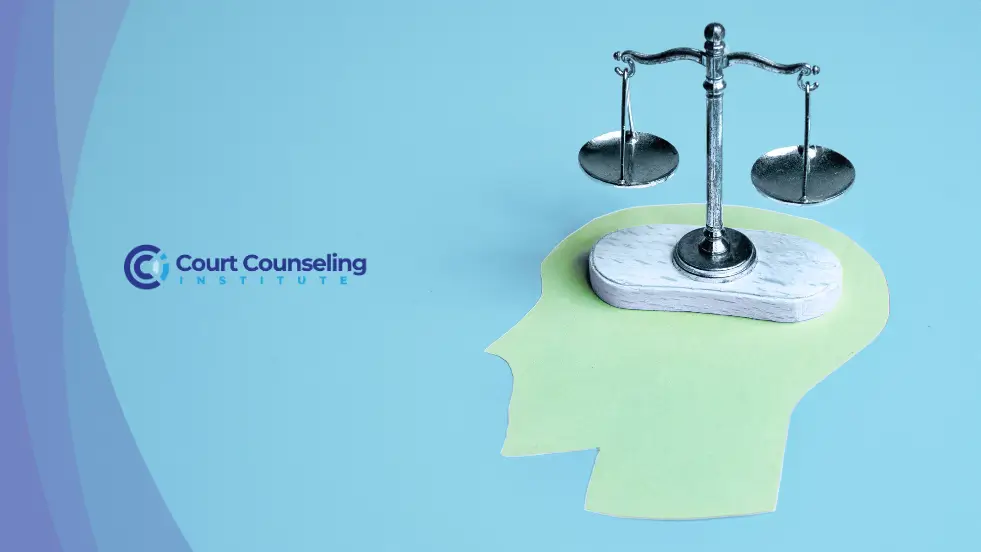
Mental Health and the Law: Turning Court-Ordered Therapy into Healing
Imagine standing in court, the stakes high, and instead of jail time, the judge orders therapy. You’re not just being punished, you’re being given a path to healing. That’s the power of today’s legal landscape. For many, court ordered therapy creates a space to slow down and reflect. It opens the door to understanding yourself, your actions, and your relationships. In these moments, therapy can feel less like a sentence and more like an opportunity. It becomes a way to process past experiences, take responsibility, and learn new tools to manage stress, emotions, and choices moving forward. This shift matters, especially when the legal system feels overwhelming or cold. Having a space to talk and be heard can soften that experience and make growth feel possible.
Mental health and the law are no longer separate conversations. As mental health and law continue to intersect, more professionals are starting to see the value of therapeutic support in legal settings. The decision to embrace therapy and embrace therapy services is becoming a practical step, not just a personal one. It’s a path that supports legal goals, emotional healing, and long-term change. In this post, we’ll explore how therapy reshapes legal outcomes and why it can be a powerful tool in court.
How Mental Health and the Law Are Transforming the Justice System
For years, mental health concerns were considered separate from court proceedings. Therapy was often viewed as optional or unrelated to the outcome of a legal case. But that’s changing fast. Courts, judges, and lawyers now understand that mental health and the law are deeply connected especially when it comes to rehabilitation, accountability, and second chances. When people receive the right support, they are more likely to engage with the legal process in a meaningful way. This shift is not just a trend, it reflects a growing awareness that healing and justice can go hand in hand. Mental health and law now overlap in many legal settings, and this connection has started to reshape how cases are handled across the board.
This shift applies to:
-
- Individuals facing charges or probation
- Families navigating custody disputes
- Legal professionals preparing cases
- Judges aiming for long-term public safety
When people address their mental health, it improves courtroom outcomes. Judges are more likely to consider alternative sentencing if defendants show progress through court-ordered therapy. That is why more attorneys and caseworkers now choose to embrace therapy as part of their strategy. By including therapy services, the legal process can become more responsive and informed. At Court Counseling Institute, we provide the court-approved therapy programs and expert guidance that help attorneys, caseworkers, and clients work toward better legal outcomes while supporting lasting personal change.
Why Courts Are Embracing Therapy in Mental Health and the Law
Courts across the U.S. and Canada are increasingly leaning into counseling not as a way to go “soft,” but as a smart, preventative strategy that actually works. The connection between mental health and the law has never been more important. Whether someone is facing issues related to substance abuse, anger, anxiety, or trauma, therapy has proven to be a powerful tool for real, lasting change.
By choosing to embrace therapy services, the legal system is showing a clear commitment to reducing crime, supporting families, and encouraging personal growth. Courts now recognize that real accountability often begins with healing. It’s no surprise that court ordered therapy is becoming a standard part of legal proceedings. This option doesn’t replace justice, it deepens it. It also reflects a growing respect for the role of mental health in shaping responsible behaviour. The bond between mental health and law continues to strengthen, and that’s a step toward meaningful progress.

Mental Health and the Law: How Therapy Impacts Sentencing
Therapy isn’t just good for emotional healing, it can be a game-changer in court. Judges look favorably on people who take initiative with mental health support. Here’s how mental health and the law intersect in sentencing:
1. Reduced Penalties
Courts increasingly consider mental health and the law when determining sentences. Voluntary or court ordered therapy can lead to reduced fines, shorter jail time, or probation. When individuals embrace therapy services, it shows a commitment to growth, which helps judges feel more confident offering alternatives to traditional punishment.
2. Demonstration of Accountability
Taking steps toward counseling shows responsibility. When someone chooses to embrace therapy, it signals maturity and a willingness to change. Judges often view this positively in court. The connection between mental health and law reinforces the idea that personal development should be part of the legal process.
3. Improved Courtroom Demeanor
Therapy helps people manage emotions, speak clearly, and remain composed of traits that matter in court. Judges are influenced by how defendants present themselves. By working on mental health and the law side-by-side, and using court ordered therapy, individuals can appear more stable, prepared, and sincere in legal settings.
4. Better Legal Strategy
Attorneys often recommend clients embrace therapy services before their court date. This proactive step strengthens legal strategy and shows the client is serious about change. It demonstrates understanding of the role mental health and law play in a case and can be a powerful tool in reducing negative outcomes.
Therapy isn’t a “get out of jail free card.” It’s proof that someone is serious about making better choices, something courts highly value. Court Counseling Institute offers the trusted, court-approved therapy programs that demonstrate real progress and provide the support clients need to create lasting change.
What Is Court-Ordered Therapy in Mental Health and the Law
Court ordered therapy is often a vital part of criminal or family law cases, aimed at helping individuals manage behaviours, emotions, or underlying mental health conditions that may have led to legal trouble. It’s a clear example of how mental health and the law are working together to support positive change. Therapy in legal settings is not about punishment, it’s about creating space to understand, heal, and improve. Whether the issue stems from conflict, addiction, or stress, therapy allows individuals to take accountability while also building tools for a more stable future.
You might be required to attend therapy if you’ve been charged with domestic violence, or DUI, are involved in a custody dispute or divorce, violated probation, or are showing signs of emotional instability, addiction, or anger. Common forms of court ordered therapy include substance abuse counseling, anger management, domestic violence programs, and parenting classes. These services are not just legal obligations, they’re opportunities to grow. Trusted platforms like Court Counseling Institute offer convenient, court-approved online programs that make it easier to embrace therapy, stay compliant, and take meaningful steps forward. This is where mental health and law truly align to support long-term change.
How Legal Professionals Use Mental Health and the Law to Help Clients
Attorneys and legal experts are increasingly viewing therapy as more than a recommendation, it’s a vital tool for case preparation. In today’s evolving legal environment, the connection between mental health and the law is no longer ignored. Legal professionals are recognizing that clients who engage in court ordered therapy are often more grounded, prepared, and cooperative throughout the legal process. Therapy does more than fulfill a requirement it gives individuals the space to reflect, regulate their emotions, and actively participate in their own defense. When clients take the step to embrace therapy, it shows both accountability and a willingness to grow, which can impact legal outcomes in powerful ways.
Here’s why legal professionals want clients to embrace therapy:
- Prepares clients for court emotionally and legally
- Supports courtroom strategy with documentation of progress
- Strengthens client credibility in front of a judge
- Reduces legal stress and improves communication
More attorneys now refer clients to Court Counseling Institute because of the flexibility, confidentiality, and legitimacy of the programs. These programs make it easier to comply with court orders while also offering meaningful support. It’s not just about fulfilling a requirement, it’s about showing real effort toward improvement. That’s how mental health and law come together to build stronger, more responsible outcomes.
Where to Find Trusted Counseling for Mental Health and the Law
When the court orders you to attend therapy, finding a trusted, court-approved provider is essential not just for compliance, but for real personal growth. Taking that first step can feel overwhelming, especially when legal pressure is involved, but it’s also a chance to reflect, reset, and rebuild. That’s where Court Counseling Institute comes in. We offer 100% online court ordered therapy programs tailored to meet legal requirements and personal needs. Whether you’re dealing with anger, addiction, co-parenting struggles, or emotional challenges, our licensed and experienced counselors are here to help guide you forward with care and structure.
Our programs are flexible, accessible from home or mobile devices, and include court-ready documentation to prove completion. This is where mental health and the law meet practical, compassionate support. Thousands across the U.S. have already benefited from these services, turning legal challenges into meaningful turning points. If you’re navigating a legal case or supporting a client who is ready to embrace therapy services with confidence. With the right counseling support, what feels like a setback today can become a powerful new beginning. When people embrace therapy, they create room for healing and responsibility. It’s a reminder that mental health and law can move forward together.
Let Mental Health and the Law Work for You
Explore our court counseling programs today! Contact us to connect with professionals who understand your journey and where you want to go.