

Embracing Cultural Practices for Healing in Counseling
Have you ever wondered how your cultural roots and traditions might play a role in your mental health journey, especially when facing court-ordered or voluntary counseling? Many people overlook the powerful impact of cultural practices on healing and wellness. But for those navigating legal stress or mandated counseling, tapping into cultural health can be a game-changer. Exploring examples of cultural practices, such as traditional ceremonies, community gatherings, storytelling, spiritual rituals, or healing foods, can provide a sense of identity, connection, and emotional grounding during challenging times.
In this blog post, we’ll explore how cultural practices, heritage, and culture-based counseling work together to support mental health recovery. Whether you’re a client seeking counseling support or a legal professional preparing cases for court, understanding the role of cultural wellness and integrating examples of cultural practices into the healing process can enhance outcomes and empower lasting transformation. Building a strong cultural support team and embracing traditional practices can make the path to recovery more meaningful and aligned with who you truly are.
Why Cultural Practices Matter in Mental Health and Counseling Support?
Cultural practices are more than just traditions or customs; they’re a connection to identity, values, and community. For many people, especially those involved in the legal system, counseling can sometimes feel impersonal or disconnected from their lived experiences. Integrating cultural practices into counseling recognizes these unique backgrounds and respects diverse paths to wellness.
What are cultural practices?
They include rituals, beliefs, storytelling, art, music, ceremonies, and community gatherings passed down through generations. Examples of cultural practices might include Indigenous sweat lodge ceremonies, African drumming circles, Latinx storytelling, or mindfulness rooted in Eastern traditions. These practices can nurture the mind and spirit alongside traditional therapeutic techniques.
By incorporating cultural health into counseling, therapists can create a more inclusive, supportive environment that honors the whole person. This helps reduce stigma and fosters trust, essential factors for successful mental health recovery, especially in court-mandated settings, where the Court Counseling Institute can provide guidance and ongoing support to help individuals navigate their recovery journey.
Healing Through Cultural Practices in Court-Ordered Counseling
Court-ordered counseling can be stressful and intimidating. Many individuals feel anxious about meeting legal requirements while also managing personal challenges. This is where culture-based counseling shines.
How culture-based counseling supports recovery?
Culture-based counseling is an approach that recognizes the importance of a person’s cultural background in their healing journey. Rather than applying a one-size-fits-all method, it tailors support to reflect the client’s traditions, values, and worldview. This approach can be especially powerful in recovery settings, whether from addiction, trauma, or mental health challenges, because it reinforces identity, promotes trust, and offers familiar sources of strength.
-
- Builds a cultural support team: Counselors work alongside community leaders and elders who provide guidance aligned with the client’s heritage. This team approach strengthens the client’s sense of belonging and motivation. It also builds trust by showing respect for the client’s cultural background.
- Enhances emotional connection: When clients see their cultural values reflected in counseling, it encourages openness and vulnerability. This recognition helps them feel seen and understood. Over time, it deepens the therapeutic relationship and supports emotional healing.
- Offers alternative coping strategies: Cultural wellness examples like meditation, dance, or traditional crafts can serve as healthy outlets during recovery. These practices offer comfort through familiarity and personal meaning. They also encourage clients to stay engaged in the healing process.
- Promotes resilience and identity: Embracing cultural heritage reminds clients of their strengths and history of overcoming adversity. It helps them feel connected to something larger than themselves. This connection can be a powerful source of hope and inner strength.
Legal professionals can also benefit from understanding these cultural dimensions when preparing court cases. Recognizing the value of cultural practices within counseling supports more informed decisions and better-tailored interventions, and the Court Counseling Institute can assist by providing guidance and support to ensure these practices are effectively integrated.

How to Incorporate Cultural Practices into Your Mental Health Journey
Wondering how to start integrating cultural practices into counseling? Here are practical steps you can take:
1. Builds a Cultural Support Team
In culture-based counseling, professionals often collaborate with respected community leaders, elders, or spiritual guides who share the client’s cultural background. These individuals offer wisdom, support, and culturally aligned guidance, enriching the counseling process.
This team-based approach serves multiple purposes:
-
- Strengthens the client’s sense of belonging: Being supported by people who understand their culture helps clients feel less isolated and more connected.
- Boosts motivation for recovery: When clients feel their identity is respected, they’re more likely to engage fully in treatment.
- Builds trust: Working with a team that honors cultural norms can reduce skepticism or fear about counseling, especially for those who may have had negative experiences with mainstream healthcare systems.
2. Enhances Emotional Connection
One of the most powerful aspects of therapy is the relationship between the counselor and the client. When a client sees their cultural values reflected and respected in the therapeutic space, it creates a foundation for deeper trust and openness.
For example:
-
- A counselor who understands a client’s cultural views on family, grief, or spirituality is more likely to ask relevant questions and avoid cultural misunderstandings.
- This recognition validates the client’s experience and fosters a feeling of being truly seen and understood, not judged or “othered.”
Over time, this emotional safety allows clients to share vulnerable parts of themselves, which is essential for healing and growth.
3. Offers Alternative Coping Strategies
Many cultures have their traditional practices for managing stress, grief, and life transitions. Culture-based counseling incorporates these practices, such as meditation, storytelling, dance, drumming, prayer, or traditional crafts, into the healing process.
These culturally rooted activities offer several benefits:
-
- Familiarity: Clients often find comfort in practices they grew up with or associate with community and home.
- Meaning: Unlike generic coping techniques, these practices carry personal and cultural significance, which can make them more effective and engaging.
- Active participation: Cultural wellness activities can be more inviting and accessible for some clients, encouraging them to stay involved in the recovery process.
By offering culturally relevant tools for emotional regulation, clients are better equipped to manage stress and avoid relapse.
4. Promotes Resilience and Identity
Recovery is not just about stopping harmful behaviours, it’s also about rebuilding a positive sense of self. Culture-based counseling helps clients reconnect with their heritage, which can be a profound source of strength.
This connection can:
-
- Remind clients of their roots and resilience: Every culture has stories of survival, perseverance, and wisdom passed down through generations. Recognizing this history can inspire hope and courage.
- Rebuild personal identity: For some, trauma or addiction can sever their connection to who they are. Embracing cultural identity helps restore that foundation.
- Create a sense of purpose and belonging: Knowing one is part of a larger cultural and historical narrative can foster pride and motivate continued healing.
Recovery through culture-based counseling strengthens resilience, identity, and a sense of belonging. The Court Counseling Institute can support clients in this journey by providing guidance, resources, and culturally informed strategies to ensure these practices are effectively integrated and sustained throughout treatment.
Where Cultural Practices Meets Counseling: From Tradition to Transformation
Cultural practices aren’t just preserved in remote villages or ancestral lands, they’re alive and evolving, right where you are. Whether you live in a big city or a rural community, access to culture-based counseling is becoming more widespread and recognized in both voluntary and court-mandated programs.
Why now?
In today’s multicultural society, traditional, one-size-fits-all therapy often falls short. People come from different backgrounds, and what works for one group might not feel supportive, or even safe, for another. Culture-based counseling bridges that gap by recognizing and integrating the cultural support team and lived experiences of each client.
Where can clients access this support?
-
- Online Counseling Programs: Online platforms like Court Counseling Institute offer accessible, culturally responsive counseling services from the comfort of your home. These programs integrate cultural wellness practices, such as storytelling, mindfulness, and traditional healing elements, to make support more personal and effective.
- Community Mental Health Centers: Many centers now work closely with community elders and leaders to co-create wellness plans that reflect clients’ cultural backgrounds. These partnerships help bridge the gap between clinical care and cultural connection.
- Court Diversion Programs: More courts are referring individuals to culturally informed counseling programs, including those offered by Court Counseling Institute. These referrals aim to reduce repeat offenses by addressing root causes through respectful, culturally aligned care.
This growing cultural shift is driven by real results, and Court Counseling Institute is proud to be part of that change, offering support that honors both where you come from and where you’re going.
Court Counseling Institute: Trusted Cultural Practices Responsive Support
Court Counseling Institute provides court-approved counseling programs that meet legal requirements while supporting your personal growth. Whether you’re facing legal challenges or seeking help on your own, our services are designed to guide you with care, respect, and professionalism.
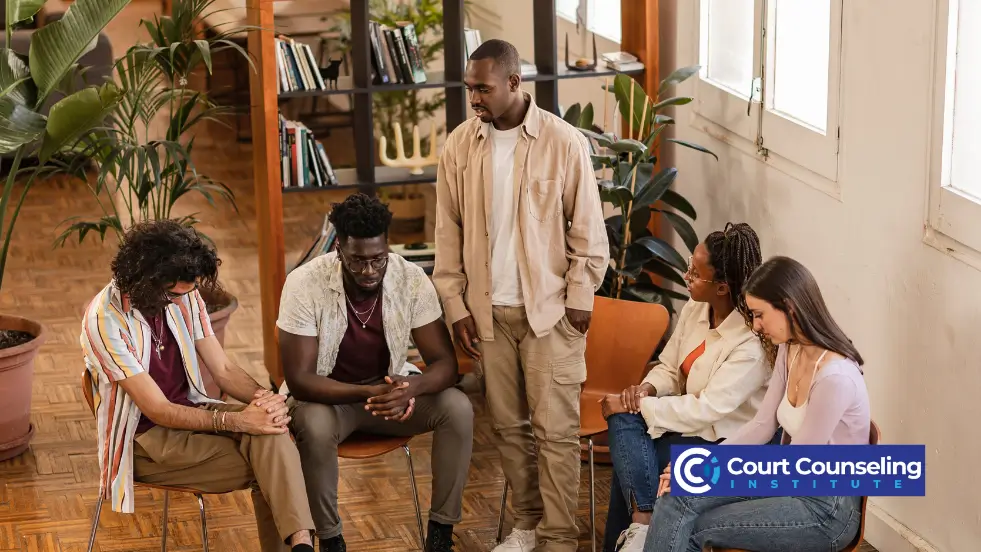
Our licensed counselors use culturally responsive approaches, meaning we understand and honor your background, values, and experiences. You won’t feel like just another case, our goal is to make sure you feel seen, heard, and genuinely supported.
We offer counseling for:
-
- Anger management
- Domestic violence
- Substance use
- Parenting
- Driving Offenses
- Special Topic
- Anger management
All programs at Court Counseling Institute are available online, making it easy to attend sessions that fit your schedule. With a flexible, judgment-free environment, we help you meet court requirements while building real-life tools for lasting change. We’re here to help you move forward, with respect, understanding, and trusted support.
Ready to Unlock Wellness Through Culture-Based Counseling?
Connect with us to learn more, enroll in our programs, and discover how culture-based counseling can support your recovery and wellness.