


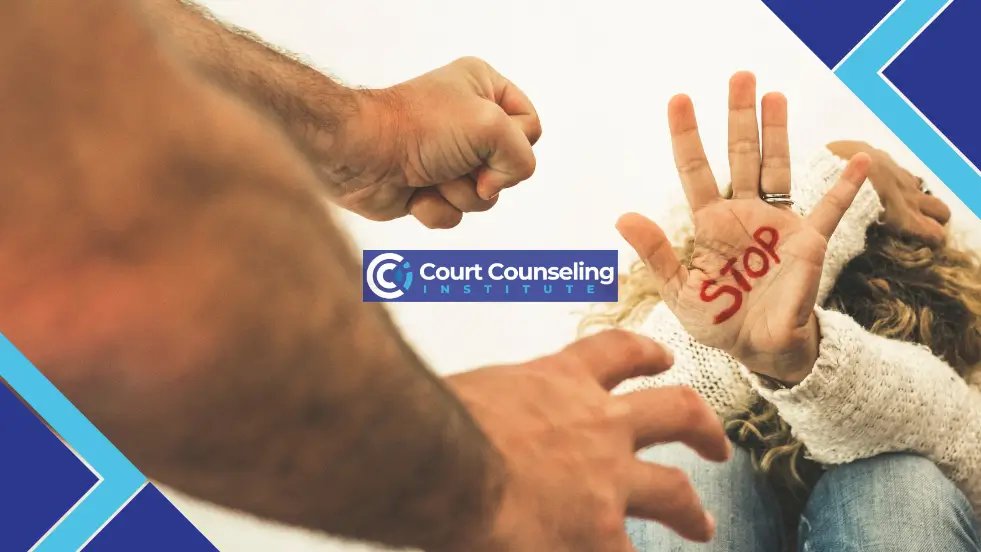
From Harm to Healing: Breaking the Cycles of Violence in Domestic Abuse
“People can change, if they’re given the right tools.” When we talk about domestic abuse, we usually focus on the survivors, and that makes total sense. They deserve safety, support, and healing. But there’s another side of this story that rarely gets attention: the people who cause the harm. What happens to them after a court steps in? Can they change? And if so, how do we actually break the cycles of violence in domestic abuse? It’s a complicated question, but one thing is clear, court-ordered therapy can play a powerful role in helping someone change harmful behaviour for good. This isn’t about excuses or “letting people off the hook.” It’s about accountability, healing, and stopping the violence from happening again. Let’s take a deeper look at how it works, why it matters, and what real change looks like.
Understanding Cycles of Violence in Domestic Abuse and Why Does It Keep Repeating?
Domestic abuse isn’t just about physical violence. It can also look like emotional control, constant threats, financial manipulation, isolation from friends and family, or subtle tactics meant to intimidate. At its core, domestic abuse is about power, and using fear or control to maintain it. One of the hardest things about escaping this situation is how often it follows a repeating pattern. These cycles of violence in domestic abuse usually start with tension, arguments, walking on eggshells. Then comes the abusive incident, which might be verbal, emotional, or physical. Afterward, the abuser may apologize, minimize what happened, or promise it won’t happen again. Things calm down until the cycle starts all over. That’s why so many people ask, “How can we stop domestic abuse?” The real answer lies in breaking that cycle at its root. And yes, can domestic abusers change? With the right support, therapy, and accountability, some can. That’s where healing begins. The Court Counseling Institute is here to provide that support, offering evidence-based programs that address harmful behaviors and promote lasting change. With the right tools and guidance, we can help break the cycle of violence for good.
Can Cycles of Violence in Domestic Abuse Change
A lot of people are skeptical. They ask: can domestic abusers change? It’s a fair question. After all, we’ve all seen people say they’ll change, only to fall back into the same behaviour. But here’s what research and real-world experience tells us: Change is possible, but only with commitment, structure, and the right kind of help. Court-ordered therapy gives people who’ve harmed others the tools to:
- Recognize their actions: To break the cycles of violence in domestic abuse, it’s vital for abusers to first recognize their harmful actions. Understanding what domestic abuse is including emotional, verbal, and physical abuse is the first step. Without awareness and accountability, meaningful change can’t begin. Recognition is the first step toward healing and transformation.
- Understand why they behave this way: Change starts with asking, “Why am I acting this way?” Domestic abusers often repeat learned behaviours or react to unresolved trauma. Understanding the root causes behind the cycles of violence in domestic abuse helps identify what fuels the abuse. This step is crucial in answering: can domestic abusers change?
- Learn how to handle anger, stress, and conflict differently: Learning healthier ways to cope with emotions is essential. Instead of turning to control or aggression, abusers must develop better tools to deal with frustration. If we want to answer how can we stop domestic abuse, teaching emotional regulation and conflict resolution is a key part of breaking these cycles.
- Build healthier habits and relationships: Breaking the cycles of violence in domestic abuse means replacing old patterns with positive habits like respect, empathy, and open communication. Can domestic abusers change? Yes, but only when they commit to unlearning toxic behaviours and building trust. Healthy relationships are built, not assumed, they require daily effort, self-awareness, and accountability.
It’s not magic. It’s a process, and a tough one. But it works when someone is willing to face themselves and do the work. The Court Counseling Institute is here to guide that process, providing structure, accountability, and proven strategies for change. With our support, individuals can take real steps toward breaking the cycle of violence and building healthier relationships.
How Court-Ordered Therapy Actually Helps Break the Cycles of Violence in Domestic Abuse
Court-mandated counseling isn’t a “get out of jail free” card. It’s a serious commitment. And when done right, it has the power to truly shift the future. Here’s what it usually includes:
A Deep Assessment: Before any real change can happen, the process starts with a deep, professional assessment. This isn’t just a formality, it’s a way to uncover trauma, substance use, or mental health issues that may be fueling abusive behaviour. Understanding the root causes of domestic abuse is key to breaking the cycles of violence in domestic abuse. Without that insight, it’s hard to know where to begin. This assessment helps create a tailored path forward and opens the conversation about whether domestic abusers can change and how. It’s the foundation for meaningful work that goes beyond the surface and into real transformation.
Focused Therapy Sessions: Therapy is where the real work begins. Through one-on-one or group sessions, participants learn to recognize and change harmful thoughts and behaviours. These sessions dig into what is domestic abuse, addressing emotional control, empathy, and healthy communication. It’s a space for honest reflection and learning, where toxic patterns are unlearned and replaced. This is how we start to disrupt the cycles of violence in domestic abuse by helping individuals understand their actions and choose better ones. It’s not easy work, but it’s necessary if we want to explore whether domestic abusers can change.
Accountability: Change isn’t just about showing up, it’s about staying committed. Court-ordered therapy or voluntary programs mean little without accountability. Participants are required to engage fully, track their progress, and take responsibility for their actions. This structure is critical in understanding how we can stop domestic abuse. Real change happens when there are clear expectations, consequences, and support. Accountability helps break the cycles of violence in domestic abuse by pushing people to follow through, not just promise to. It shows that progress is possible when individuals are held to a higher standard. If we want real results, accountability can’t be optional.
Real-Life Tools: This work is more than just talking, it’s about learning tools to handle real-life stress, conflict, and relationships in non-abusive ways. Participants are taught how to manage emotions without turning to control, intimidation, or violence. These practical skills replace destructive habits and help create new, healthier patterns. When we equip people with the right tools, we move closer to breaking the cycles of violence in domestic abuse. It proves that domestic abusers can change, not just by saying sorry, but by showing real, sustained change. This hands-on approach is key in figuring out how we can stop domestic abuse for good.
The Court Counseling Institute provides exactly this kind of comprehensive support, offering assessments, targeted therapy, accountability structures, and practical tools for lasting change. By addressing the root causes and building healthier habits, we help break the cycles of violence in domestic abuse and create a safer future for everyone involved.
Why Helping Offenders Matters in Stopping the Cycles of Violence in Domestic Abuse
This part might feel a little uncomfortable, but it’s important. Yes, we should always center survivors. Always. But if we only focus on survivors and ignore the people causing harm, what happens?
- The violence continues.: When abusive behaviour goes unchecked, the cycles of violence in domestic abuse keep repeating. Without intervention, domestic abuse becomes a pattern, not a one-time event. What is domestic abuse if not a repeated harm? To truly answer how can we stop domestic abuse, we must interrupt the cycle early and consistently.
- Survivors stay in danger: If nothing changes, survivors remain at risk, emotionally, physically, and mentally. Domestic abuse doesn’t just go away; it escalates. Understanding what is domestic abuse means and recognizing how constant fear shapes someone’s life. Breaking the cycles of violence in domestic abuse starts by asking: can domestic abusers change and what does that take?
- Kids grow up thinking abuse is normal: Children in abusive homes often believe this is just how relationships work. These learned behaviours continue the cycles of violence in domestic abuse into the next generation. Teaching kids what is domestic abuse and what healthy love looks like is a key part of how we can stop domestic abuse long-term.
- Generational trauma keeps getting passed down: Without healing, trauma gets inherited. Kids internalize fear, mistrust, or even aggression. This is how the cycles of violence in domestic abuse stay alive. We must ask, not just can domestic abusers change, but how can families heal together? That’s how we break patterns and change futures one generation at a time.
So while it’s not popular to say it: working with abusers to change their behaviour is one of the most powerful ways to stop domestic abuse long-term. It’s not about forgiveness. It’s about intervention. It’s about prevention. And it’s about keeping families and communities safer. The Court Counseling Institute is dedicated to this work, providing the structure, guidance, and evidence-based programs that help people change harmful behaviours for good. With our support, we can break the cycles of violence in domestic abuse and create safer futures for everyone.
New Approaches That Are Changing the Cycles of Violence in Domestic Abuse
There’s been a big shift in how court-ordered therapy is done, and it’s a good thing. More programs today are trauma-informed, which means they recognize that some people who commit domestic abuse have experienced trauma themselves. That doesn’t excuse the harm, but it helps therapists understand the root causes. And when we understand those roots, we can start real healing and break the cycles of violence in domestic abuse. These programs are also becoming more culturally aware, respecting people’s different backgrounds and belief systems. That makes the process more relatable, and more effective. At the same time, online therapy has made counseling more accessible than ever. Whether someone lives far from a city, works long shifts, or simply feels safer opening up from home, they now have options. So, can domestic abusers change? With the right support and structure, many can. And that’s exactly how we can stop domestic abuse, by changing the cycle. The Court Counseling Institute provides that support, offering trauma-informed, culturally sensitive, and accessible programs that address harmful behaviour at its core. By meeting people where they are, we help create the conditions for lasting change and safer communities.
That’s Where Court Counseling Institute Comes In Cycles of Violence in Domestic Abuse
If someone you know is required to attend therapy for domestic abuse, or if you’re going through it yourself, it’s important to choose a program that’s court-approved and professionally led. For over two decades, we’ve been helping and supporting clients through these challenges, providing the tools, guidance, and accountability needed to create lasting change. At Court Counseling Institute, we specialize in legally mandated, online counseling programs that are:
- Fully court-approved across multiple states
- Evidence-based and led by licensed professionals
- Designed with compassion, structure, and real accountability
Court Counseling Institute’s programs cover everything from domestic abuse and anger management to parenting and substance use, and everything is available online, so it fits into real life.