


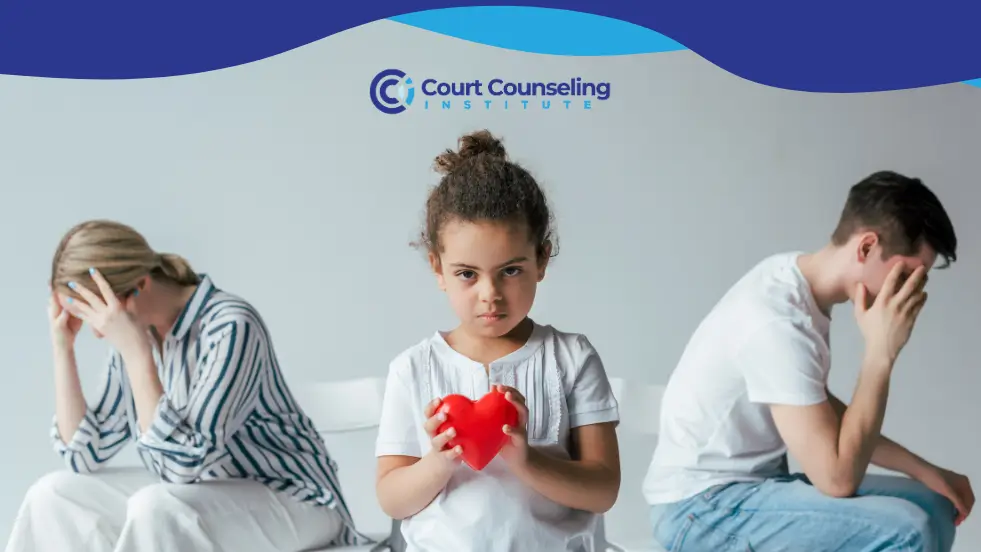
Divorce and Children: A Parent’s Guide to Emotional Support and Stability
Divorce isn’t easy, for anyone. But for kids, it can feel like their whole world has been turned upside down. One day, everything feels normal. Next, they’re packing a bag to head to a different home for the weekend, trying to understand what “custody” even means. The reality of divorce and children goes far beyond paperwork or courtrooms. It’s a deep emotional shift that touches every part of their lives, school, friendships, routines, even how they see themselves. Children and divorce never go hand in hand easily, and the confusion they feel can turn into anxiety, withdrawal, or acting out.
If you’re a parent going through this, or someone helping families manage the process, you’ve likely asked: How do I help my child through this? You’re not alone in that question. Divorce and child custody situations often bring unexpected emotional waves, not just for the parents, but for the little ones caught in the middle. This blog post is here to guide you through it. We’ll cover age-appropriate, real-life ways to support children and divorce situations with empathy, structure, and stability. Whether you’re navigating family transitions or trying to co-parent peacefully, our goal is to help divorce parents ensure their children feel safe, supported, and deeply loved every step of the way.
Divorce and Children: Why Emotional Support Makes a Huge Difference
Divorce is tough. And when kids are involved, the emotional toll can be even heavier. Divorce and children don’t just mean living in two homes or adjusting to new routines. It often means kids are quietly struggling with feelings they don’t know how to express. Many feel confused, wondering, “Why is this happening?” Others feel scared they won’t see one parent again, or even guilty, thinking the divorce is somehow their fault. Some feel torn between their parents, not knowing where their loyalty should lie.
These emotions are completely normal, but without the right support, they can lead to behavioural problems, withdrawal, or issues at school. That’s why emotional guidance is so important during family transitions. Children need guidance to understand their feelings and express them safely. They need stable adults who know how to listen and respond with care. Whether you’re a caregiver, legal professional, or one of many divorce parents, resources like court-approved counseling can make a real difference. At Court Counseling Institute, we help families navigate children and divorce and provide support through every step of divorce and child custody. You don’t have to go through this alone, and neither do your children. Support is available, and healing is possible.
Divorce and Children: What Kids Need at Every Stage
Not all kids react the same way to divorce. A toddler doesn’t understand what’s happening the same way a teenager does. That’s why it’s important to meet them where they are emotionally and developmentally. Each child processes divorce and children changes based on their age, personality, and environment. While some may act out, others may withdraw. As a caregiver or one of many divorce parents, understanding your child’s emotional stage helps you support them more effectively during these sensitive family transitions.
For Toddlers (1–3 years old)
Toddlers don’t understand the details of divorce and child custody, but they absolutely feel the stress and emotional shift. They may become clingy, have trouble sleeping, or seem unsettled. During early family transitions, divorce parents should focus on creating predictable routines. Stability, simple phrases like “Mom and Dad both love you,” and extra affection help toddlers feel safe. Keep drop-offs and pick-ups smooth and comforting to minimize anxiety during these early divorce and children adjustments.
For Preschoolers (3–5 years old)
Preschoolers often struggle with the idea of cause and effect. In children and divorce situations, many believe they are somehow to blame. They may act out or ask repeated questions trying to make sense of the changes. Divorce parents should offer gentle reassurance that the divorce is not their fault. Avoid discussing adult topics in front of them, and keep explanations simple and loving. Repeated reminders that both parents will still be there help create emotional security during divorce and child custody transitions.
For School-Age Kids (6–12 years old)
Children in this group understand more about relationships and separation, but may still feel torn between loyalty to both parents. They might show sadness, anger, or confusion, especially if there’s conflict between parents. Divorce and children dynamics at this stage require careful communication. Encourage open conversations, validate their feelings, and avoid placing blame. Divorce parents should both stay involved in daily routines, school activities, and emotional support. This consistent involvement supports long-term healing during family transitions.
For Teens (13–18 years old)
Teens may act like they don’t care, but children and divorce changes often affect them deeply. They may feel pressure to take sides or distance themselves emotionally. Some teens struggle with trust or become overly independent as a coping method. Give them space to process, but remain available and emotionally present. Invite them to share their thoughts without pushing. Including them in minor decisions helps them regain a sense of control. When necessary, consider therapy to help navigate complex emotions related to divorce and child custody.
Helping children and divorce situations go smoothly means more than completing legal requirements. It’s about emotional survival and long-term well-being. Divorce parents must commit to steady support throughout all family transitions. With care, understanding, and the right tools, kids can come through divorce and child custody challenges stronger and more emotionally grounded.

Divorce and Children: New Ways of Parents Support Their Kids
We’re seeing some great new tools and ideas out there for parents going through divorce. Here are a few that are making life a little easier:
Online Counseling That Actually Works for Real Life
For divorce parents juggling busy lives, online counseling can be a game changer. At Court Counseling Institute, our court-approved courses are built for real-life needs. Whether you’re navigating divorce and children issues or handling divorce and child custody matters, our flexible programs offer practical tools that truly support family transitions.
Support for Kids
Divorce and children can be an isolating mix. That’s why support groups, local or online, are so helpful. When kids connect with others experiencing similar family transitions, they feel less alone. These spaces give them a voice, helping children and divorce experiences feel less scary and more manageable during emotional times. The Court Counseling Institute can help families access these resources and provide the guidance parents and children need to move forward with confidence and care.
What Courts Want to See in Divorce and Children Custody Cases
When it comes to legal decisions in divorce and child custody cases, judges focus on one thing above all else: what’s best for the child. So how can you show the court that you’re truly putting your child first? It starts with creating a stable, safe environment and showing a genuine willingness to co-parent without constant conflict. Courts also look for consistent involvement in your child’s life and clear evidence that you’re taking your parenting role seriously, like enrolling in parenting or counseling programs.
For divorce parents navigating these family transitions, having support matters. That’s exactly why platforms like Court Counseling Institute exist. We provide court-approved programs that not only help you support your child emotionally but also give you documentation to show the court you’re doing the work. Divorce and children situations are never easy, especially when emotions run high and routines shift overnight. But when you take intentional steps to grow, learn, and cooperate, it sends a clear message to the court and to your child that their well-being comes first. At Court Counseling Institute, we’re here to walk beside you as you move forward through children and divorce challenges, offering guidance and strength every step of the way.

Why Trust Court Counseling Institute for Divorce and Children
When you’re dealing with divorce and children, you need more than just legal advice. You need support that fits into real life. That’s where Court Counseling Institute comes in. We help divorce parents manage the emotional side of children and divorce with confidence and compassion. Our court-approved online programs are designed by professionals who understand the deep impact of divorce and child custody. Whether you’re working through co-parenting struggles, helping your child adjust, or building new routines during difficult family transitions, we’re here to support you every step of the way.
Thousands of parents have already trusted us to guide them through the complex journey of divorce and children. Our services not only support your child’s emotional well-being but also provide the documentation courts require. We understand that children and divorce situations are sensitive and often overwhelming. That’s why we combine expert guidance with flexibility, so you can take care of your child while meeting legal responsibilities. You don’t have to face this alone. Let Court Counseling Institute help you move forward with clarity, empathy, and the tools to create lasting stability for both you and your child.
Divorce and Children: Get the Support You Deserve
Explore our court counseling programs today! Contact us to connect with professionals who understand your journey and where you want to go.