



Can Domestic Violence Abusers Change?
Let’s be real, being ordered to counseling after a domestic violence incident can feel scary, overwhelming, or even unfair. But for those willing to take responsibility, it’s more than just checking a box; it’s a real opportunity for change. When people ask, “Can a domestic violence abuser change?” the answer is yes, if they’re ready to do the work. Accountability isn’t about shame or living in guilt forever. It’s about facing hard truths, learning from them, and growing into someone better. In the journey of domestic violence recovery, accountability is key, not just for healing those who were hurt, but also for helping the person who caused harm understand how to stop domestic violence. Counseling offers a space to unpack the past, break harmful patterns, and build something healthier. If you’ve ever wondered, “Can domestic violence abusers change?”, real accountability in therapy is where that change begins.
Why Accountability Is a Game-Changer in Domestic Violence Recovery
You’ve probably heard the phrase “own your actions.” But what does that mean when it comes to domestic violence? In therapy, accountability is about being honest, not just about what happened, but why it happened, and what needs to change so it doesn’t happen again. It’s not about making excuses. It’s about facing hard truths and committing to becoming someone you can be proud of. At Court Counseling Institute, we work with people who are court-ordered to attend counseling after a domestic violence incident. Many come in feeling unsure, defensive, or even convinced they don’t belong. But once they start doing the work, something changes. They begin to understand that this isn’t just about meeting a requirement, it’s about real growth. If you’ve ever asked, “Can a domestic violence abuser change?” or “How to stop domestic violence?”, the answer begins with accountability. That’s where true domestic violence recovery starts. And yes, domestic violence abusers can change, with real effort.
Can Domestic Violence Abusers Change? It Starts With Looking Inward
When it comes to domestic violence, one of the most difficult and important questions people ask is whether an abuser can truly change. Survivors, family members, and even abusers themselves may wonder if transformation is possible. The truth is, change is possible, but it requires more than just promises or surface-level apologies. It begins with deep self-reflection, accountability, and a willingness to confront harmful behaviours head-on. Change starts from within, and it’s a long, often uncomfortable journey that involves consistent effort and professional support.
The Essential Steps for Domestic Violence Recovery and Change
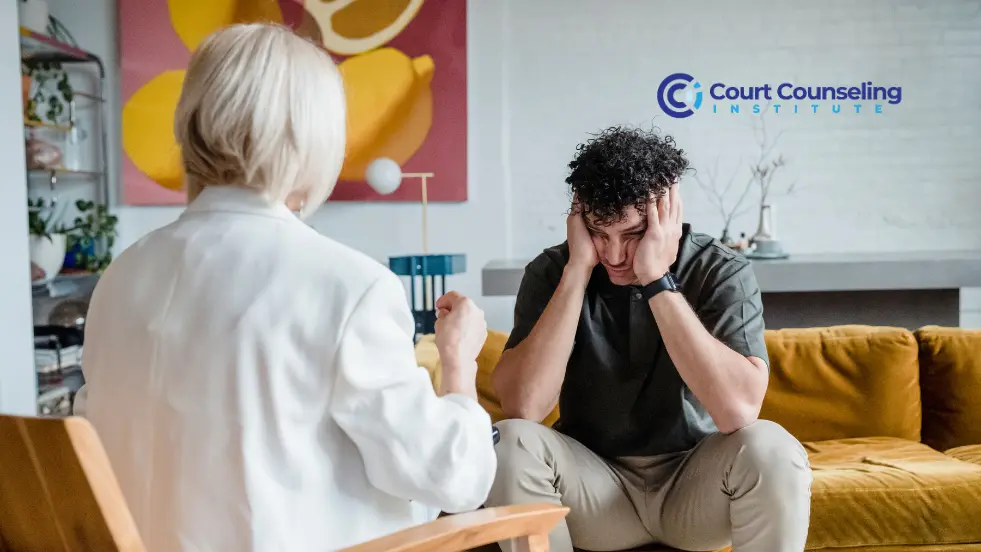
Domestic violence recovery is a challenging journey that begins with honest self-reflection and a commitment to change. Many wonder if a domestic violence abuser can truly change, and the answer is yes, but only when they take responsibility for their actions and engage in meaningful growth. True transformation requires more than just words; it demands accountability, emotional work, and professional support. Here’s what that process looks like:
-
Owning your behaviour without blaming your partner, childhood, or stress: Real domestic violence recovery begins with full ownership of your actions. It’s not about blaming your partner, your upbringing, or life stress. Taking responsibility is hard, but it’s a vital first step. Can a domestic violence abuser change? Yes, but only when they stop shifting blame and start looking inward.
-
Recognizing patterns that led to violent or controlling behaviour: To truly understand how to stop domestic violence, you have to look at the patterns behind it. What triggers the behaviour? What beliefs or habits keep it going? Recognizing these patterns is essential. Can domestic violence abusers change? They can, when they’re willing to examine their choices honestly and consistently.
-
Learning emotional tools to handle anger, jealousy, and insecurity differently: Change doesn’t happen just by stopping harmful behaviour; it’s also about learning new, healthier ways to respond. Domestic violence recovery includes building emotional skills to manage anger, jealousy, and insecurity. Can a domestic violence abuser change? Yes, with the right tools and a real commitment to doing the work long-term.
-
Accepting that your actions caused harm, even if that’s hard to face: One of the hardest parts of domestic violence recovery is facing the pain you’ve caused. It’s natural to want to defend or minimize, but real healing begins with acceptance. Can domestic violence abusers change? They can, but only by acknowledging the impact of their actions, without denial or excuses.
Change is possible, but only when a domestic violence abuser takes full responsibility for their actions and commits to the long, difficult process of self-reflection and growth. It requires more than words; it demands accountability, emotional work, and professional support. True transformation comes from within, and while it isn’t easy, it can happen when someone is genuinely willing to face the harm they’ve caused and do the hard work to change it. The Court Counseling Institute can provide guidance and professional support to help facilitate this transformation.
What Does Real Change Look Like in Domestic Violence Recovery?
Let’s be real, no one turns into a better person overnight. Change is a process. In fact, for a lot of our clients, it feels like taking two steps forward and one step back. And that’s okay. But if you’re doing the work, here’s what progress usually looks like:
You stop blaming others for your reactions
One key part of domestic violence recovery is learning to take full ownership of your responses. Instead of blaming your partner or outside stress, you recognize that your reactions are your responsibility. Can a domestic violence abuser change? Yes, but only when they stop blaming others and start taking control.
You show empathy for the pain you caused
Real change means recognizing that your actions hurt someone, and feeling that deeply. In domestic violence recovery, empathy is a turning point. Can domestic violence abusers change? They can, but only by truly understanding the damage done and caring enough to make sure it never happens again.
You communicate more calmly, even when you’re upset
Learning how to stop domestic violence means learning to express yourself without aggression. You stop yelling, threatening, or shutting down, and start talking in ways that build connection. Can a domestic violence abuser change? Yes, when they learn to stay calm and respectful, even in heated moments.
You understand your triggers and deal with them before they explode
Triggers don’t go away but in domestic violence recovery, you learn to recognize them early and choose better responses. Anger and jealousy no longer control you. Can domestic violence abusers change? They can, when they commit to understanding what sets them off, and doing something different in those moments.
You feel proud of who you’re becoming
Healing isn’t just about what you stop doing, it’s about who you start becoming. You feel proud of the growth, the accountability, and the effort. Can a domestic violence abuser change? Yes. Real change feels good, because you’re building a life, and a self, you can finally be proud of.
One of the most meaningful parts of therapy is when clients say, “I came here just to get the court off my back, but now I realize I needed this.” That’s when we know real change is happening. The Court Counseling Institute can help guide individuals through this transformative process and provide the support needed for lasting growth.

Therapy In Domestic Violence Isn’t A Punishment, It’s A Turning Point
We understand that when the court mandates counseling, it’s easy to feel defensive. You might think, “I’m not a violent person,” or “It wasn’t that bad.” But therapy isn’t about labeling you, it’s about helping you understand your behaviour, where it comes from, and how to ensure it never happens again. At Court Counseling Institute, we provide a supportive space where people can be honest, make mistakes, and still be encouraged in their growth. We offer a variety of Domestic Violence Programs, including a 2-day class, an e-learning program, and therapy tailored to address the roots of abusive behaviour and promote healthy relationships. A major focus in domestic violence recovery today is learning emotional regulation, developing the skill to stay in control, even in high-stress moments. Change begins with guidance, honesty, and the willingness to try.
Why Choose Court Counseling Institute?
With over two decades of experience, Court Counseling Institute has a proven track record of helping individuals and families break the cycle of domestic violence. Our programs are designed not just to meet court requirements but to create meaningful, lasting change. We combine expert knowledge with compassionate support to guide you every step of the way. Whether you prefer our in-person 2-day class, flexible e-learning options, or personalized therapy, you’ll receive tailored care that fits your unique situation. Choosing us means choosing a trusted partner dedicated to your growth, safety, and success, because real change starts with the right support and experience behind you. So if you’re wondering, “Can a domestic violence abuser change?” or “How do I stop domestic violence?” this is where real transformation starts
Need Help Finding The Right Domestic Violence Program?
Explore our court-approved domestic violence program today! Contact us to connect with professionals who understand your journey and where you want to go.