


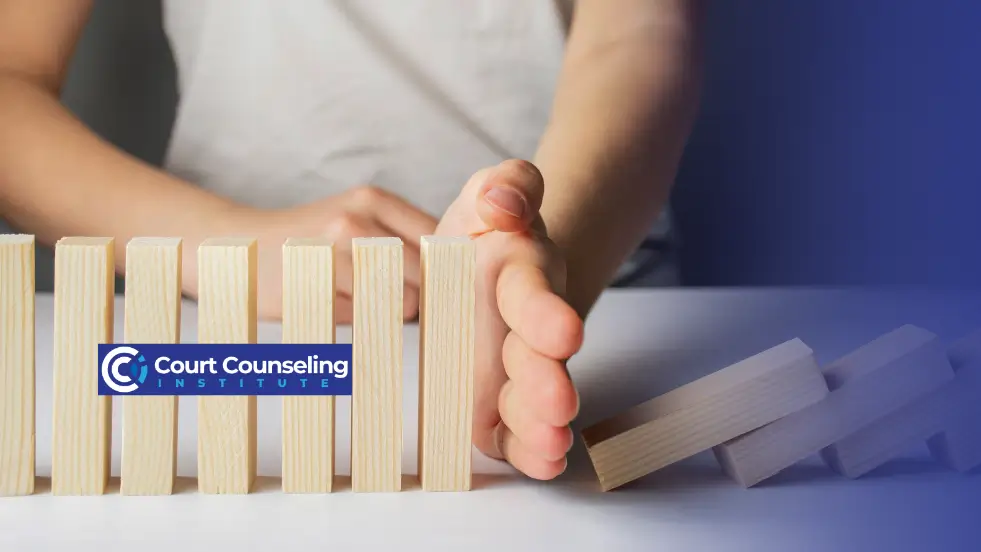
How to Build Emotional Resilience: A Path to Renewal for Offenders
Life can get really hard, really fast, especially if you’re facing the challenges that come with being an offender. Maybe you’re dealing with a legal situation, working to meet a court requirement, navigating probation, or just feeling like you’ve hit an emotional wall. The stress, uncertainty, and stigma can be overwhelming. When everything feels like it’s falling apart, figuring out how to build emotional resilience might seem impossible. But here’s the truth: you’re not stuck. In fact, this could be the perfect time to focus on building emotional resilience, the inner strength that allows you to adapt, recover, and keep moving forward despite setbacks.
Through emotional counseling and targeted emotional wellness counseling, you can learn strategies to manage anger, rebuild trust, and cope with guilt or shame in healthy ways. These tools aren’t just about surviving the present, they’re about creating a foundation for a better future. Even in the middle of chaos, there is room to reset. Developing emotional resilience gives you the power to face challenges head-on, make better choices, and rebuild your life with purpose. No matter what’s in your past, you can take steps today toward a stronger, more grounded you.
Who Should Learn How to Build Emotional Resilience?
Just about everyone can benefit from learning how to build emotional resilience, but it becomes especially important during high-stress times. If you’re dealing with legal issues, facing emotional overload, or required to attend counseling as part of a court case, support is essential. Whether you are in court-ordered therapy, parenting classes, or anger management, or struggling with a custody battle or a painful relationship breakdown, building emotional resilience helps you face challenges without falling apart. Even when it feels like your emotions are in control, this process helps you take charge again.
At Court Counseling Institute, we use effective emotional counseling methods to help clients stay grounded and grow through their toughest moments. For legal professionals, encouraging clients to invest in this kind of support ensures they gain more than just a report. The growth becomes real and lasting. Through emotional wellness counseling, clients develop lifelong skills to manage stress, set healthy boundaries, and move forward with strength. Whether you’re attending because it’s required or because you’re ready for change, this work leads to clarity and resilience that stays with you long after your case is closed.
How to Build Emotional Resilience and What It Truly Means
We hear the term a lot, but what is emotional resilience really? It’s the ability to handle stress, conflict, setbacks, even big life changes, without losing your balance. And no, it doesn’t mean you always have to stay calm or never get upset. Real emotional resilience is messy. It’s about knowing how to come back from a rough day, a bad decision, or a tough conversation without falling apart. And here’s the really good news: You’re not born with resilience. You build it. That’s where emotional counseling comes in. Through court-ordered support, you can learn how to:
- Understand what you’re feeling, and why
- Stop reacting impulsively when emotions run high
- Communicate better under pressure
- Take care of your mental and emotional health, even during chaos
By choosing to invest in emotional wellness counseling, you’re taking the first step toward lasting strength. This is not about perfection, it’s about building emotional resilience that helps you stay grounded when life gets overwhelming. Over time, you’ll learn to face conflict, setbacks, and change without losing yourself in the process. With support from emotional counseling, you’re not just meeting a court requirement, you’re developing skills that will serve you for years to come. The Court Counseling Institute can guide you through this process, offering the tools, encouragement, and structured support you need to grow stronger and build a more stable future.

How to Build Emotional Resilience With Support from Court Counseling
You might be thinking, “I didn’t choose this. I’m just doing it because the court said I have to.” We get it, and that’s totally fair. But here’s what we’ve seen time and time again: people walk into court-mandated counseling expecting a checklist, and walk out with life-changing skills. Here’s how that happens:
1. It gives you space to think
Supportive emotional counseling gives you a rare chance to pause and reflect. Life moves fast, and it’s easy to react without thinking. Learning how to build emotional resilience starts with slowing down, making space to hear yourself, process emotions, and think clearly about what truly matters.
2. You’re not doing it alone
When you’re learning how to build emotional resilience, having someone in your corner is powerful. A skilled counselor can guide you, challenge you, and help you spot patterns you might not see. That kind of support makes emotional wellness counseling more effective and long-lasting.
3. The tools actually help
In emotional counseling, you don’t just talk, you learn real tools. Whether it’s setting boundaries or managing stress in the moment, these strategies support building emotional resilience in everyday situations. The more you use them, the stronger your emotional resilience becomes.
4. You realize you’re capable of more than you thought
One of the best parts of emotional wellness counseling is seeing your own growth. You start to move from feeling stuck to feeling in control. That shift is the core of building emotional resilience, believing you can handle tough moments differently, and then proving it to yourself.
The Court Counseling Institute is here to help you take that journey. With compassionate guidance, practical tools, and consistent support, we’ll work with you to build emotional resilience that lasts far beyond your court requirements.
How to Build Emotional Resilience Through Therapy That Lasts
When life gets overwhelming, it’s easy to feel like you’re barely keeping up. Whether you’re facing court-ordered requirements, family stress, or emotional burnout, learning how to build emotional resilience can change everything. Therapy gives you space to slow down, reflect, and work through what’s really going on. Instead of reacting out of anger, fear, or stress, you begin to respond with clarity. Over time, this process leads to lasting change. With the right support, you start building emotional resilience that helps you manage conflict, recover from setbacks, and handle pressure with greater calm.
At Court Counseling Institute, we offer emotional counseling that focuses on long-term growth, not just short-term compliance. Our programs help clients reduce anxiety, improve communication, and stay focused during life’s most stressful moments. Even after your legal case ends, the tools you learn in emotional wellness counseling stay with you. You become more aware of your triggers, more in control of your reactions, and better equipped to move forward. This isn’t just about completing therapy. It’s about creating strength you can rely on. That’s the kind of progress that lasts and that’s the heart of emotional resilience.
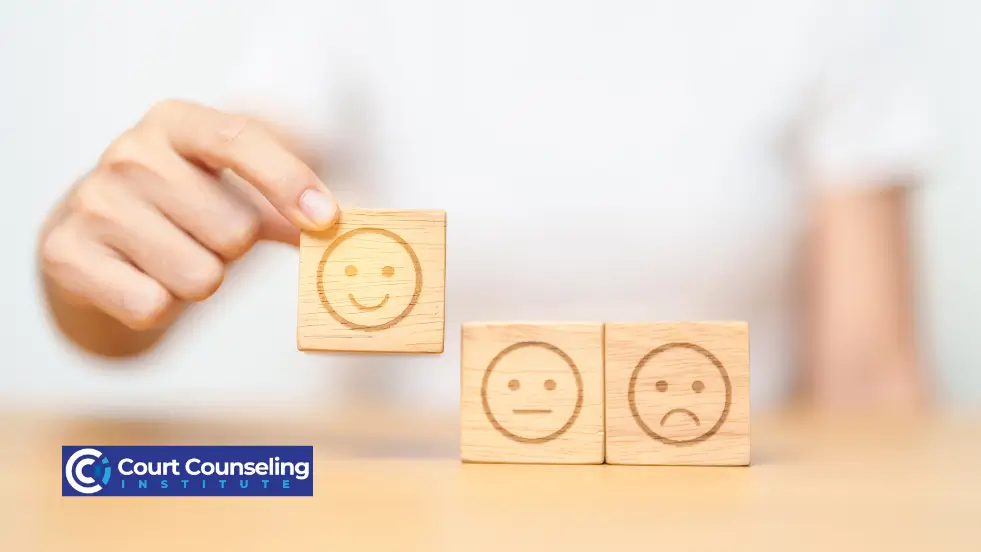
How to Build Emotional Resilience: Signs It’s Working for You
Wondering if anything’s actually changing? It’s a fair question especially when growth feels slow, or progress is hard to see. But the truth is, if you’re showing up, doing the work, and staying open to the process, chances are you’re growing more than you realize. Building emotional resilience is not always loud or obvious. Sometimes it looks like small options that once felt impossible now come naturally. And those quiet moments of change are signs that something deeper is happening.
People building emotional resilience often start to:
- Pause before reacting
- Own their mistakes without spiraling
- Feel emotions without letting them take over
- Handle stressful situations with a little more clarity
- Ask for help without feeling weak
And no, that doesn’t mean every day is easy. But it does mean you’re learning how to get through the hard ones without falling apart. Through emotional counseling and consistent support, you begin to move through stress with more confidence. Over time, you’ll notice those small changes adding up to something real. With continued effort and the right tools from emotional wellness counseling, you’re not just surviving, you’re becoming stronger, more grounded, and more in control of your own story. The Court Counseling Institute can walk alongside you in that process, offering guidance, tools, and encouragement every step of the way so your growth doesn’t stop when your court requirements end.
How to Build Emotional Resilience with Court Counseling Institute
At Court Counseling Institute, we do more than just provide online classes we walk with you through every step of the journey. Whether you’re here because of a court order or a personal decision, our goal is to help you fully understand how to build emotional resilience, not just check a box. Growth takes real work, and our programs are designed to guide you through that process with care. Our courses are developed by licensed therapists, legal professionals, and educators who understand what the court expects and what you need to thrive in everyday life.
With 24/7 access, you can work through emotional counseling at your own pace, no matter how busy or unpredictable life becomes. You’ll always see your progress clearly, and once the course is complete, your court report is available after 2-3 business days, no stress and no delays. And if you ever feel stuck or unsure, our real-human support team is ready to help, every step of the way. We’re not just focused on compliance. We’re focused on helping you grow. At Court Counseling Institute, we’re committed to building emotional resilience in a way that’s practical, supportive, and built to last long after your court deadlines have passed.