


The Real Consequences of Uncontrollable Anger
Have you ever said something in the heat of the moment that you instantly regretted? Maybe it was a shouting match with a loved one, punching a wall, slamming a door, or even lashing out at a stranger. Whatever it was, it didn’t feel good afterward, and for some, these moments are just the tip of the iceberg. For offenders struggling with uncontrollable anger, these incidents are not isolated; they are part of a repeating cycle of uncontrolled emotional outbursts that can spiral into serious consequences.
When an offender experiences uncontrolled anger or uncontrolled rage, it can destroy relationships, undermine careers, and create legal problems. These aren’t just occasional flare-ups, they are patterns of behavior that signal difficulty managing emotions. Uncontrollable rage may cause the offender to lash out physically or verbally, leaving lasting damage in its wake. Understanding these patterns is the first step toward change, because acknowledging that uncontrolled emotional outbursts are a problem is crucial for preventing future harm. For offenders, learning to recognize the triggers of uncontrolled anger and developing strategies to manage it can be life-changing. Without intervention, uncontrolled rage can continue to dictate actions, leaving the offender stuck in a cycle of regret, conflict, and legal consequences.
Why Uncontrollable Anger Isn’t “Just Being Mad”
Everyone gets angry sometimes, it’s a normal, human emotion. But uncontrollable anger is something deeper. It’s when your anger hits so fast and so hard that you lose control. You might yell, slam doors, break things, or even lash out physically. In the heat of the moment, it can feel like you’re not yourself at all. People often describe these uncontrolled emotional outbursts by saying things like, “I black out,” or “I regret it right after.” That’s because uncontrolled anger and uncontrollable rage bypass logic. When it happens often, it’s usually a sign of something going on beneath the surface—past trauma, stress, or unprocessed emotions. And if left unchecked, uncontrolled rage can hurt your relationships, damage your career, and make you feel isolated. The good news is, this kind of anger can be understood and managed, but it starts with acknowledging that it’s more than just “being mad.” Court Counseling Institute can help offenders learn to manage uncontrollable anger and prevent future outbursts.
Why Do These Uncontrollable Anger Outbursts Keep Happening?
Having uncontrollable anger doesn’t mean you’re a bad person. Most people who struggle with uncontrolled emotional outbursts are carrying stress, trauma, or emotional pain they were never taught to handle. Maybe you grew up in a home where yelling was normal, or maybe anger became a way to hide fear, shame, or sadness. When your brain feels threatened, even if there’s no real danger, it can hit the panic button. Your prefrontal cortex (the part that helps you think clearly) shuts down, and your amygdala (your survival brain) takes over. That’s when uncontrolled rage takes control, and logic disappears. It’s not your fault, but it is something you can change. The good news is that managing uncontrolled anger is a skill. Like any skill, it can be learned and strengthened over time with the right tools, support, and guidance. You’re not stuck this way, and you don’t have to face it alone. Court Counseling Institute can help offenders gain control over uncontrollable anger and build healthier habits for the future.
What Can Happen When Uncontrollable Anger Goes Too Far
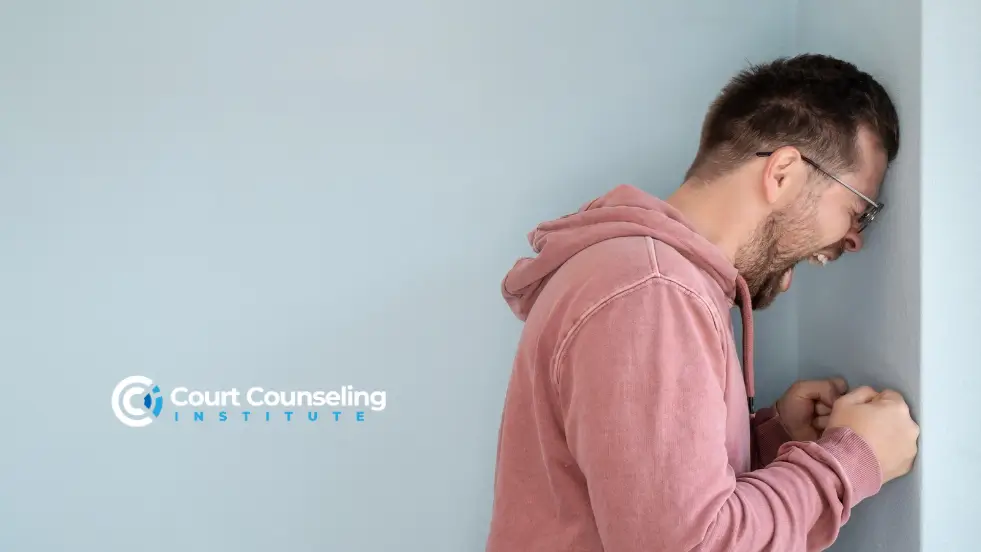
When uncontrollable anger goes too far, it can quickly spiral out of control, leading to uncontrolled emotional outbursts, damaged relationships, and legal trouble. What starts as a momentary flare-up can escalate into uncontrolled rage, leaving lasting consequences for careers, families, and personal well-being if left unmanaged.
1. It Can Break Relationships
Uncontrolled anger can quietly destroy the relationships that matter most. When someone deals with frequent uncontrolled emotional outbursts, it creates fear and distance. Over time, friends, partners, or family members stop feeling safe around you. The yelling, blaming, or sudden uncontrollable rage makes people shut down or walk away altogether. You might start hearing things like, “I can’t do this anymore,” or “You’re always so angry.” That’s because uncontrollable anger pushes people away, even if that’s not your intention. Without change, relationships begin to erode and rebuilding trust becomes harder every time it happens.
These aren’t just words, they’re signs that anger is doing real damage. And fixing that damage starts with facing it head-on.
2. It Can Get You in Legal Trouble
Uncontrollable anger doesn’t just cause emotional damage, it can have serious legal consequences. One uncontrolled emotional outburst in public, during a heated argument, or at work can spiral fast. Throwing something, making threats, or acting on uncontrolled rage can lead to arrests, fines, or even restraining orders. Even if you didn’t mean to hurt anyone, the law doesn’t overlook uncontrolled anger. One wrong move in a moment of rage can stay on your record for life. That’s why recognizing and managing uncontrolled anger before it explodes is crucial, not just for your well-being, but for your future.
• Assault charges: One uncontrolled emotional outburst fueled by uncontrollable anger can lead to assault charges. Even if you didn’t plan to hurt anyone, acting on uncontrolled rage in the moment can have serious legal consequences. What feels like a quick reaction can turn into a long-term problem with lasting effects.
• Domestic violence cases: Uncontrolled anger at home can quickly escalate into uncontrollable rage, leading to domestic violence charges. These cases often stem from repeated uncontrolled emotional outbursts that go unchecked. The damage isn’t just legal, it affects loved ones deeply and can tear families apart. Getting help is crucial before it goes too far.
• Restraining orders: When uncontrollable anger turns into threats or aggressive behaviour, courts may issue restraining orders to protect others. These orders can limit your freedom and relationships. Often, uncontrolled emotional outbursts and repeated uncontrolled rage lead to these situations, highlighting just how serious unmanaged anger can become.
• Court-mandated anger management: If uncontrolled rage or an uncontrolled emotional outburst lands you in court, you might be ordered to attend anger management. This isn’t just a formality, it’s a chance to understand your uncontrolled anger, learn healthy coping tools, and avoid further consequences. It’s a step toward real, lasting change.
• Probation or even jail time: Uncontrollable anger can lead to charges that result in probation or even jail. Whether it’s a fight, threat, or property damage, uncontrolled rage has real consequences. What starts as one emotional moment can cost your freedom. Learning to manage uncontrolled emotional outbursts can help you avoid that path.
You might not mean to hurt anyone, but the law doesn’t just look at intentions, it looks at actions. And once the court’s involved, you’re no longer the only one dealing with the fallout. Court Counseling Institute can help offenders manage uncontrollable anger and prevent future legal consequences.
How to Start Taking Control of Your Uncontrollable Anger
You don’t need a perfect plan to start managing uncontrollable anger, just one small step. Start by noticing what triggers your uncontrolled emotional outbursts. Maybe it’s stress, feeling unheard, or being disrespected. Once you know the patterns, you can practice calming techniques like deep breathing or taking a break. These simple actions can help stop uncontrolled rage before it takes over. Don’t wait for things to spiral, uncontrolled anger can lead to serious consequences if left unchecked. With the right support, even intense uncontrolled rage can be managed. You’re not alone, and change is absolutely possible, one step at a time.
• Know your triggers: Start noticing what sets off your uncontrollable anger—stress, disrespect, or criticism. These moments often lead to emotional outbursts. Understanding your triggers is the first real step to managing uncontrolled anger before it turns into full rage that causes damage you can’t take back.
• Walk away early: When you feel anger building, step away before it explodes. Don’t wait until you’re caught in uncontrollable rage. Walking away gives your brain space to cool down, helping you avoid outbursts you might instantly regret.
• Breathe: Slowing your breath during moments of rising anger actually works. Deep, steady breathing calms your nervous system and interrupts the path to uncontrolled rage. It’s a simple but powerful tool in intense emotional moments.
• Talk it out: After an emotional outburst, wait until you’re calm, then talk. Speak honestly about your feelings without letting anger lead the conversation. This reflection can prevent future rage and help repair emotional damage.
• Ask for help: You don’t have to face uncontrollable anger alone. A licensed therapist can help you identify triggers, manage rage, and stop the cycle. Reaching out is a smart step toward healing and gaining control.
At Court Counseling Institute, we make it easy to start. Whether you’re preparing for court or just want to do better for yourself and your loved ones, we’re here to support you.
Learn To Control Anger with Court Counseling Institute Support
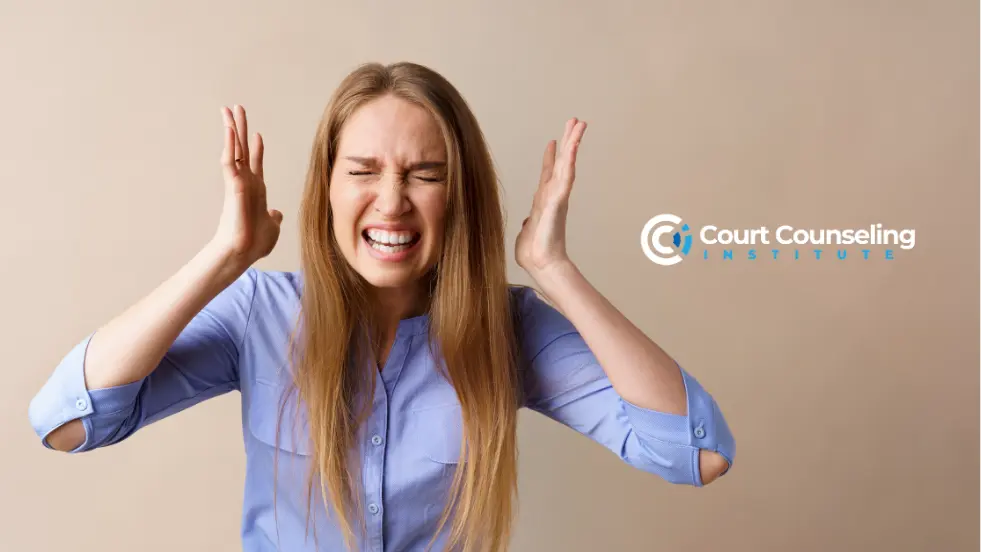
If the court has ordered you to take an anger management program, it may feel like just another obligation. But at Court Counseling Institute, we see it as your chance to break the cycle of uncontrollable anger and finally make a real change. With over two decades of experience, our 100% online, court-approved anger management programs, available as structured classes, self-paced courses, and one-on-one therapy, are accepted in most states and delivered by licensed professionals who understand what you’re going through.
You’ll learn to identify your emotional triggers, manage intense moments in real time, and respond thoughtfully instead of reacting in rage. These tools aren’t just for satisfying a court requirement, they’re for improving your relationships, stress management, and sense of peace. Our goal isn’t just to help you check a box, it’s to help you reclaim control, overcome old patterns, and genuinely earn a completion letter you can be proud of. You don’t have to face this alone, the Court Counseling Institute is here to support you every step of the way.
Take the First Step Toward Better Anger Management Today
Explore our anger management options today and take back control. Contact us to connect with professionals who understand your journey, and are ready to help you move forward.